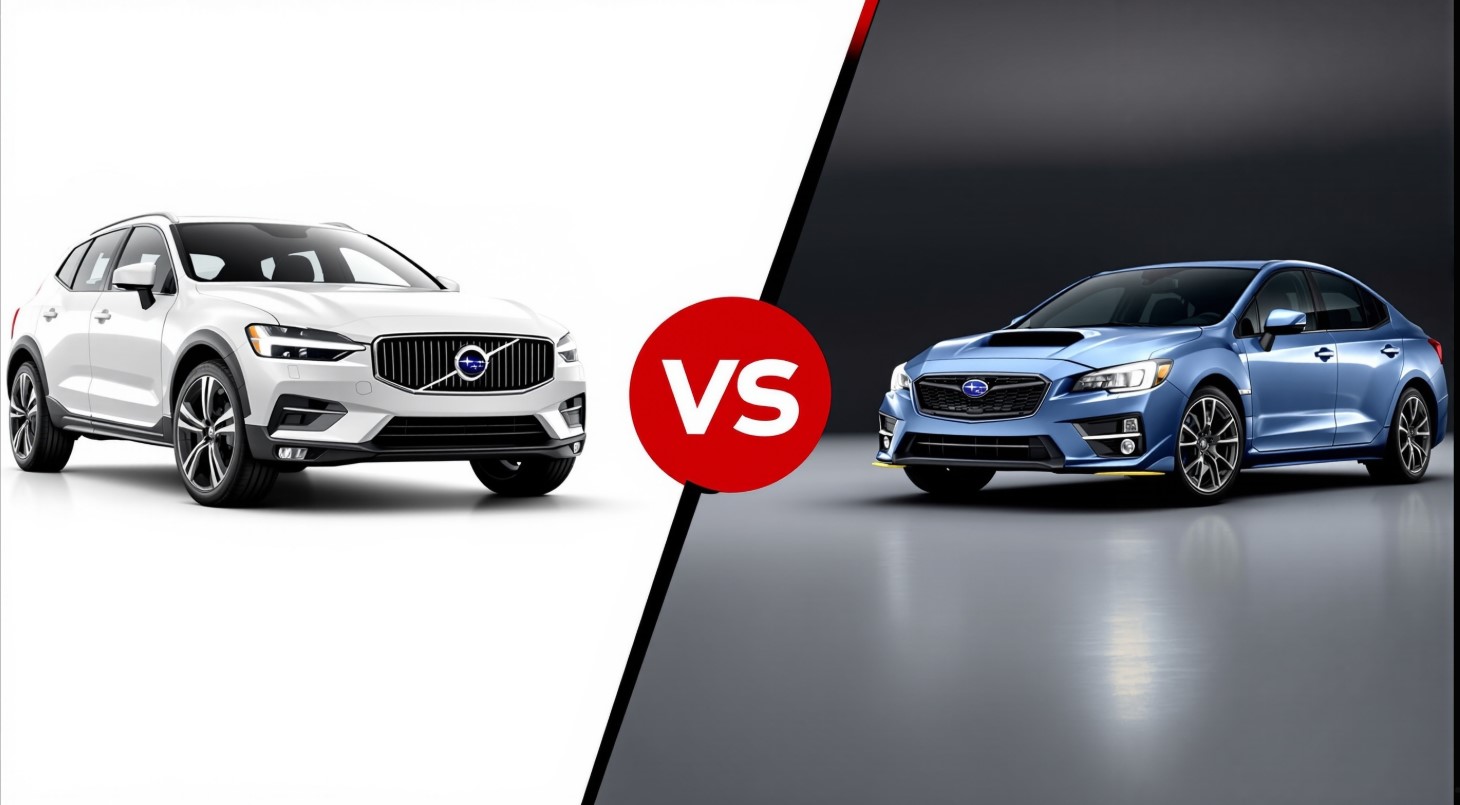
When it comes to choosing the safest vehicle for your family in 2025, two automotive brands consistently dominate safety rankings and earn top marks from crash test organizations: Volvo and Subaru. Both manufacturers have built their entire reputations on exceptional safety standards, pioneering advanced driver assistance technologies, and achieving industry-leading crash test ratings year after year.
But which brand truly offers superior protection for you and your loved ones? In this comprehensive Volvo vs Subaru safety comparison for 2025, we’ll examine crash test performance data, analyze cutting-edge safety technologies, review real-world accident statistics, and evaluate the overall value proposition to help you make an informed decision about which brand provides the best safety for your specific needs.
Whether you’re shopping for a family-friendly SUV to accommodate multiple car seats or a reliable sedan for daily commuting, understanding the nuanced safety differences between these two automotive leaders is essential. For a broader perspective on vehicle safety, check out our comprehensive guide to the safest car brands in 2025.
Quick Safety Comparison Overview: Volvo vs Subaru 2025
| Safety Aspect | Volvo | Subaru | Winner |
|---|---|---|---|
| IIHS Awards | Most models Top Safety Pick+ | Multiple Top Safety Pick/+ | Volvo (slight edge) |
| Standard Safety Tech | City Safety, BLIS, Pilot Assist | EyeSight, DriverFocus | Tie |
| All-Wheel Drive | Optional (extra cost) | Standard on most models | Subaru |
| Innovation | Industry-leading | Proven, reliable | Volvo |
| Value | Premium pricing | Mid-range pricing | Subaru |
| Real-World Safety | Lowest fatality rates | Among lowest fatality rates | Tie |
Volvo Safety Excellence: The Swedish Safety Pioneer
Volvo’s unwavering commitment to automotive safety isn’t merely marketing rhetoric—it’s deeply embedded in the company’s corporate DNA and has been since the brand’s inception in 1927. The Swedish automaker revolutionized vehicle safety by inventing the three-point seatbelt in 1959 and, remarkably, made the patent freely available to all manufacturers to save lives globally. This altruistic approach to safety innovation continues today with Volvo consistently pioneering technologies that eventually become industry standards.
Volvo’s Vision 2020 and Beyond: A Bold Safety Mission
Volvo’s ambitious Vision 2020 initiative set an unprecedented goal in the automotive industry: achieving zero fatalities or serious injuries in new Volvo vehicles by the year 2020. While this aspirational target date has passed, the company has made remarkable measurable progress, achieving some of the lowest real-world fatality rates in the entire automotive industry. This commitment extends further with Vision 2050, aiming for complete elimination of all traffic deaths involving Volvo vehicles through a combination of advanced technology, infrastructure collaboration, and driver education.
Volvo’s Cutting-Edge Safety Technologies for 2025
The 2025 Volvo lineup features an impressive array of advanced safety systems that work together to create a protective cocoon around occupants:
- City Safety with Autobrake Technology: Standard across all 2025 Volvo models, this comprehensive collision avoidance system uses camera and radar fusion to detect vehicles, pedestrians, cyclists, and even large animals, automatically applying emergency braking if the driver fails to react in time. The system operates effectively both day and night at speeds up to 50 mph, significantly reducing the risk of urban collisions.
- Run-off Road Protection: This unique Volvo innovation activates when sensors detect the vehicle leaving the road surface. The system automatically tightens seatbelts and adjusts seat cushions with energy-absorbing materials to prevent spinal injuries during rough terrain impacts—a feature not found in most competitor vehicles, including Subaru.
- Blind Spot Information System (BLIS) with Steering Support: Going beyond simple visual and audible warnings, Volvo’s advanced BLIS provides gentle but firm steering assistance to help prevent lane-change collisions when another vehicle is detected in the blind spot, effectively serving as an invisible co-pilot.
- Pilot Assist Semi-Autonomous Driving: Volvo’s sophisticated semi-autonomous driving system combines adaptive cruise control with precise lane centering capabilities, significantly reducing driver fatigue on long highway journeys while maintaining constant safety vigilance through multiple redundant sensors.
- Cross Traffic Alert with Autobrake: When reversing out of parking spaces or driveways, this system detects crossing traffic from both directions up to 30 meters away and automatically applies brakes if necessary, preventing common parking lot accidents that account for thousands of injuries annually.
- Oncoming Lane Mitigation: This life-saving technology helps prevent head-on collisions by detecting oncoming vehicles in adjacent lanes and providing automatic steering assistance to keep your vehicle safely in its proper lane, even when the driver is distracted or drowsy.
- Connected Safety Features: Volvo vehicles communicate with each other via cloud connectivity to share real-time road condition data, warning drivers of hazards ahead including slippery roads, disabled vehicles, or emergency situations.
Volvo Crash Test Performance 2025: Setting the Standard
Nearly every Volvo model in the 2025 lineup achieves the coveted IIHS Top Safety Pick+ awards—the highest safety designation possible from the Insurance Institute for Highway Safety. The flagship XC90, popular XC60, and elegant S90 consistently earn perfect or near-perfect scores across all crash test categories including the challenging small overlap front, side impact, roof strength, and head restraint evaluations.
Euro NCAP, which employs even more stringent testing protocols than U.S. agencies, has awarded multiple Volvo models five-star ratings with exceptional scores in adult occupant protection (95%+), child occupant protection (87%+), vulnerable road user protection (76%+), and safety assist systems (95%+). These scores place Volvo at the absolute pinnacle of automotive safety performance globally.
Subaru Safety Leadership: Engineering Confidence Through Symmetrical AWD
Subaru has methodically built its own formidable safety reputation through a unique combination of standard all-wheel drive across nearly its entire lineup, sophisticated driver assistance technology, and robust vehicle construction designed to protect occupants in real-world crash scenarios. The brand particularly appeals to safety-conscious families living in regions with challenging weather conditions where traction and stability are paramount.
Subaru’s Holistic Safety Philosophy: Prevention, Protection, and Peace of Mind
Subaru’s comprehensive safety strategy rests on four fundamental pillars: preventing accidents through advanced technology, protecting occupants when crashes are unavoidable, ensuring vehicle stability in all driving conditions, and providing peace of mind through reliability. The brand’s admirable commitment to making advanced safety features standard equipment rather than expensive options has democratized safety technology, making it accessible to a wider range of buyers who might not otherwise afford premium safety features.
Subaru’s Advanced Safety Technologies: EyeSight and Beyond
The 2025 Subaru lineup incorporates multiple layers of active and passive safety systems:
- EyeSight Driver Assist Technology: Subaru’s innovative stereo camera system provides exceptional depth perception compared to single-camera or radar-only systems. EyeSight includes adaptive cruise control with full stop capability, pre-collision braking with pedestrian detection, pre-collision throttle management to prevent acceleration during potential collisions, lane departure warning with sway warning, lane keep assist with lane centering, and lead vehicle start alert for stopped traffic situations.
- Symmetrical All-Wheel Drive: Standard on virtually all Subaru models (except the BRZ sports car), this perfectly balanced drivetrain provides superior traction and stability in all weather conditions, helping prevent accidents before they happen. This mechanical advantage is particularly valuable in snow, rain, ice, and on unpaved roads—conditions where many preventable accidents occur.
- Ring-Shaped Reinforcement Frame: Subaru’s unique body construction uses high-tensile steel to create a protective cage that distributes crash energy away from the passenger cabin while maintaining structural integrity. This design has proven highly effective in both frontal and side-impact collisions, often exceeding the performance of more expensive vehicles.
- Reverse Automatic Braking (RAB): This system detects obstacles including vehicles, walls, and poles when backing up and automatically applies brakes if the driver doesn’t respond to warnings, preventing low-speed collisions that are particularly common in residential driveways and parking lots.
- DriverFocus Distraction Mitigation System: Available on select models including the Forester and Legacy, this facial recognition system monitors driver attention levels and alerts you if it detects drowsiness or distraction—potentially preventing accidents caused by the leading cause of crashes: driver inattention.
- Blind Spot Detection with Rear Cross-Traffic Alert: Now standard on most 2025 Subaru models, this system provides comprehensive awareness of vehicles in blind spots and those crossing behind when reversing, using radar sensors that work effectively even in poor weather conditions.
- Steering Responsive Headlights: These adaptive headlights turn with the steering wheel to illuminate curves and corners, improving nighttime visibility by up to 90% compared to fixed headlights.
Subaru Crash Test Excellence: Consistent Top Performer
Subaru models consistently earn prestigious IIHS Top Safety Pick and Top Safety Pick+ awards across multiple vehicle categories. The Outback, Forester, Ascent, and Crosstrek have all received top honors in recent testing cycles. Particularly impressive is Subaru’s outstanding performance in the challenging small overlap front crash test, where the brand’s ring-shaped reinforcement frame construction excels at protecting occupants from this common real-world crash scenario.
NHTSA awards multiple Subaru models five-star overall safety ratings, with particularly strong performance in side-impact protection where the brand’s engineering philosophy truly shines. The 2025 Subaru lineup continues this tradition of excellence with enhanced structural reinforcements and improved safety system integration.
Detailed Technology Comparison: City Safety vs EyeSight
Understanding the technical differences between Volvo’s City Safety and Subaru’s EyeSight systems helps illuminate each brand’s approach to accident prevention:
Volvo City Safety: Multi-Sensor Fusion Technology
Volvo’s City Safety employs a sophisticated combination of radar, cameras, and ultrasonic sensors to create a 360-degree awareness bubble around the vehicle. This multi-sensor approach provides redundancy—if one sensor type is compromised by weather or lighting conditions, others continue functioning. The system processes data from all sensors simultaneously, making split-second decisions about potential hazards.
Key advantages include superior low-light performance, detection of crossing pedestrians from oblique angles, and the ability to identify cyclists and large animals. The system can perform full emergency stops from speeds up to 50 mph and partial braking assistance at even higher speeds, potentially preventing or significantly mitigating collision severity.
Subaru EyeSight: Stereo Vision Excellence
Subaru’s EyeSight uses two cameras mounted near the rearview mirror to create stereoscopic vision, mimicking human depth perception. This design excels at judging distances and relative speeds, making it particularly effective for adaptive cruise control and maintaining safe following distances.
The stereo camera setup provides excellent object recognition and can distinguish between different types of obstacles. However, the system can be affected by severe weather conditions that obstruct the cameras’ view, such as heavy snow or rain on the windshield. Subaru has addressed this by incorporating additional sensors in newer models and improving the camera’s weather resistance.
Real-World Safety Performance: Statistical Analysis
While laboratory crash tests provide valuable standardized data, real-world accident statistics offer the ultimate measure of vehicle safety effectiveness. The Insurance Institute for Highway Safety regularly publishes driver death rate studies based on actual crash data from millions of vehicles.
Latest IIHS Driver Death Rate Studies
In the most recent comprehensive study analyzing 2020-2023 model year vehicles:
- Volvo models demonstrated exceptional real-world safety with the XC90 recording zero driver deaths per million registered vehicle years in multiple studies—an almost unprecedented achievement in automotive safety. The XC60 and S60 also rank among vehicles with the lowest driver fatality rates.
- Subaru models consistently rank among vehicles with the lowest driver death rates, with the Outback, Forester, and Legacy all appearing in the “best performers” category. The Ascent, Subaru’s newest three-row SUV, has shown particularly impressive early safety statistics.
- Both brands significantly outperform the industry average for driver death rates, with rates approximately 60-75% below typical vehicles in their respective classes.
Insurance Claims Data Analysis
Insurance industry data provides additional insights into real-world safety performance:
- Volvo owners file bodily injury liability claims 30% less frequently than average, and when claims are filed, injury severity tends to be 25% lower—indicating effective occupant protection in real crashes.
- Subaru owners benefit from 40% fewer single-vehicle accidents in adverse weather conditions, directly attributable to the standard all-wheel drive system helping drivers maintain control when road conditions deteriorate.
- Both brands show lower than average property damage claims, suggesting their collision avoidance systems effectively prevent minor accidents that might not cause injuries but result in costly repairs.
Family Safety Considerations: Car Seats and Child Protection
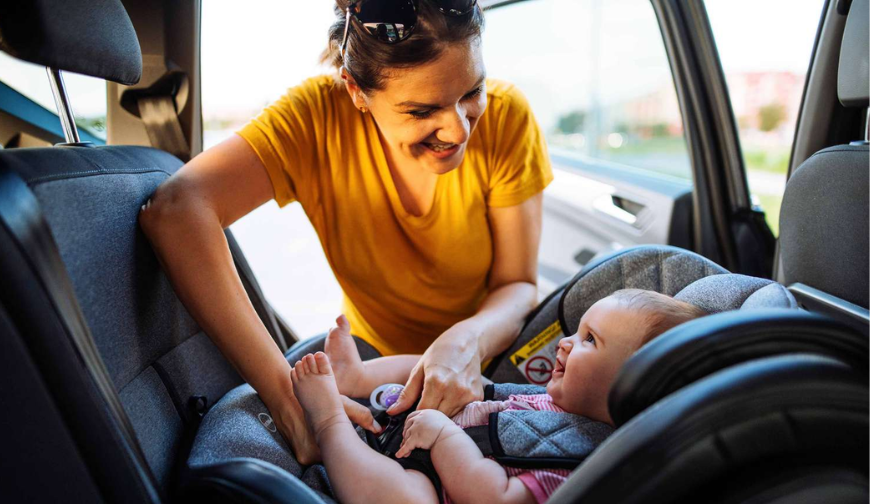
For families with young children, both Volvo and Subaru offer specific advantages that deserve careful consideration. Understanding proper car seat installation is crucial regardless of your vehicle choice—be sure to review our guide on common car seat installation mistakes parents must avoid.
Volvo’s Family-Friendly Safety Features
- Integrated Booster Cushions: Available in the XC90 and XC60, these built-in booster seats eliminate the need for separate boosters, ensuring they’re always properly positioned and never left at home.
- Rear Door Child Safety Locks: Electronic locks can be controlled from the driver’s seat, preventing children from opening doors while allowing adult passengers normal operation.
- Superior Rear Occupant Protection: Volvo’s focus on rear seat safety includes advanced side curtain airbags and specially designed crumple zones that protect rear passengers.
- Clear LATCH System: Well-marked and easily accessible lower anchors and top tether points make car seat installation straightforward.
Subaru’s Family Safety Advantages
- Spacious Rear Seating: Models like the Outback and Ascent offer exceptional rear legroom, making it easier to install rear-facing car seats without compromising front passenger comfort.
- Wide Door Openings: Rear doors that open to nearly 90 degrees facilitate easier car seat installation and loading/unloading of children.
- Excellent Visibility: Large windows and minimal blind spots help parents keep an eye on surrounding traffic and pedestrians in parking lots and school zones.
- All-Weather Confidence: Standard AWD provides peace of mind when transporting children in inclement weather conditions.
For comprehensive guidance on selecting appropriate car seats for your children, refer to our detailed article on choosing the right car seat for your child’s age and weight.
Climate and Weather Safety: A Critical Consideration
Your geographic location and typical driving conditions should significantly influence your safety priorities when choosing between Volvo and Subaru.
Subaru’s All-Weather Advantage
Subaru’s standard Symmetrical All-Wheel Drive provides a substantial safety advantage in regions experiencing regular snow, ice, rain, or unpaved road conditions. Statistics show that approximately 24% of weather-related vehicle crashes occur on snowy, slushy, or icy pavement, and 75% happen on wet pavement. Subaru’s mechanical advantage in these conditions can prevent accidents before electronic safety systems need to intervene.
The brand’s X-Mode (available on Crosstrek, Outback, and Ascent) further enhances capability with hill descent control and enhanced traction management, providing additional confidence in challenging conditions. For winter driving safety tips, see our guide on winter car seat safety and keeping children warm and secure.
Volvo’s Electronic Stability Excellence
While Volvo charges extra for all-wheel drive on most models, their electronic stability and traction control systems are among the industry’s most sophisticated. The brand’s Scandinavian heritage means these vehicles are extensively tested in harsh winter conditions, resulting in excellent cold-weather performance even in front-wheel-drive configurations.
Volvo’s advanced traction control can transfer power between wheels more quickly than most systems, and their stability control interventions are remarkably smooth and predictable, maintaining driver confidence while preventing loss of control.
Cost Analysis: Safety Value Proposition
Understanding the financial implications of choosing between Volvo and Subaru is essential for making an informed decision:
| Model Category | Volvo 2025 | Subaru 2025 | Price Difference |
|---|---|---|---|
| Compact SUV | XC40: $39,950+ | Crosstrek: $25,995+ | +$13,955 |
| Midsize SUV | XC60: $46,450+ | Outback: $29,395+ | +$17,055 |
| Three-Row SUV | XC90: $58,450+ | Ascent: $35,395+ | +$23,055 |
| Midsize Sedan | S60: $42,950+ | Legacy: $24,895+ | +$18,055 |
Total Cost of Ownership Considerations
Beyond initial purchase price, consider these ongoing cost factors:
- Insurance Costs: Both brands typically qualify for safety discounts, but Volvo’s higher vehicle values result in moderately higher premiums (approximately 15-20% more than comparable Subarus).
- Maintenance: Volvo maintenance costs average $800-1,200 annually after warranty expiration, while Subaru averages $500-700, making long-term ownership more affordable with Subaru.
- Depreciation: Subaru vehicles historically retain value better, with 5-year depreciation averaging 42% versus Volvo’s 52%, partially offsetting the initial price difference.
- Fuel Economy: Both brands offer competitive fuel efficiency, with Subaru’s standard AWD typically reducing MPG by only 1-2 compared to Volvo’s FWD models.
Model-Specific Safety Comparisons
Let’s examine how specific competing models stack up in crucial safety metrics:
Compact SUV Comparison: Volvo XC40 vs Subaru Crosstrek
Volvo XC40 Advantages:
- IIHS Top Safety Pick+ winner with superior headlight performance
- More sophisticated semi-autonomous driving capabilities
- Premium interior materials that may reduce injury in crashes
- Available plug-in hybrid variant for eco-conscious families
Subaru Crosstrek Advantages:
- Standard AWD at a significantly lower price point
- Better ground clearance (8.7 inches) for rough roads
- Lower cost of ownership over 5 years
- Simpler infotainment system with less driver distraction
Safety Verdict: The XC40 edges ahead in pure safety technology, but the Crosstrek offers exceptional safety value with standard AWD at nearly $14,000 less.
Family Hauler Comparison: Volvo XC90 vs Subaru Ascent
Volvo XC90 Advantages:
- Class-leading third-row safety with reinforced rear structure
- Integrated booster seats in second row
- Superior noise insulation reducing driver fatigue
- Available air suspension for improved stability
Subaru Ascent Advantages:
- Standard AWD with X-Mode for challenging conditions
- More cargo space for family gear (17.6 vs 15.8 cubic feet behind third row)
- 19 cupholders reduce distraction from spilled drinks
- Lower step-in height for easier child access
Safety Verdict: Both excel at family protection, with the XC90 offering more advanced features while the Ascent provides better value and practicality.
Advanced Driver Assistance Systems (ADAS) Deep Dive
Modern vehicles rely heavily on ADAS to prevent accidents, and both Volvo and Subaru have invested heavily in these technologies:
Autonomous Emergency Braking Performance
Independent testing by IIHS shows both systems perform exceptionally:
- Volvo City Safety: Prevents collisions up to 50 mph in testing, with industry-leading pedestrian detection including nighttime scenarios. The system can detect pedestrians about to step into the vehicle’s path and preemptively brake.
- Subaru EyeSight: Prevents collisions up to 35 mph in optimal conditions, with excellent daytime pedestrian detection. Recent updates have improved nighttime performance, though still slightly behind Volvo’s capabilities.
Lane Keeping and Centering Technology
Both brands offer lane-keeping assistance, but with different philosophies:
- Volvo Pilot Assist: Provides smooth, natural steering inputs that keep the vehicle centered with minimal driver intervention required. The system works at speeds up to 80 mph and handles gentle curves confidently.
- Subaru Lane Centering: Takes a more conservative approach, requiring more driver engagement but reducing the risk of over-reliance on the technology. Works effectively up to 65 mph on well-marked highways.
Environmental Safety Features
Both manufacturers recognize that safety extends beyond crash protection to include air quality and environmental health:
Volvo’s CleanZone Technology
- Advanced air filtration system removes up to 95% of PM 2.5 particles
- Automatic air quality monitoring with recirculation activation
- Interior materials selected to minimize off-gassing and allergens
- Available heated rear seats reduce need for heavy clothing that compromises car seat safety
Subaru’s Cabin Environment
- Dual-zone climate control standard on most models
- Cabin air filtration on all models
- Low-emission interior materials
- Excellent visibility reduces eye strain and driver fatigue
Safety Innovation: Future Technologies
Looking ahead to future model years, both brands are investing in next-generation safety technologies:
Volvo’s Future Safety Roadmap
- LiDAR Integration: Starting with the EX90 electric SUV, Volvo is incorporating LiDAR sensors for enhanced object detection and classification
- Interior Radar: Detects forgotten children or pets in vehicles and can activate climate control or alert emergency services
- Connected Vehicle Technology: Vehicle-to-vehicle communication to share hazard information in real-time
- Autonomous Driving: Highway pilot features approaching Level 3 autonomy in select markets
Subaru’s Safety Evolution
- Next-Gen EyeSight: Wider field of view and improved processing power for faster threat detection
- AI-Powered Predictive Safety: Machine learning algorithms that adapt to individual driving patterns
- Enhanced DriverFocus: Expanded driver monitoring including medical emergency detection
- Improved All-Wheel Drive: Torque vectoring capabilities for even better stability control
Stay informed about the latest developments by reading our coverage of the latest innovations in car seat safety technology for 2025.
Special Considerations for Different Buyers
For Urban and Suburban Families
If you primarily drive in urban or suburban environments with well-maintained roads:
- Volvo advantages: Superior pedestrian detection, better parking assistance features, more refined ride quality for stop-and-go traffic
- Subaru advantages: Better visibility for navigating tight spaces, lower purchase price, easier parking due to generally smaller dimensions
For Rural and Mountain Residents
If you regularly encounter unpaved roads, steep grades, or challenging weather:
- Subaru advantages: Standard AWD, higher ground clearance, proven reliability in remote areas, lower repair costs
- Volvo advantages: More comfortable for long distances, superior crash protection if emergency services are far away
For Highway Commuters
If you spend significant time on highways and interstates:
- Volvo advantages: Superior semi-autonomous driving features, better noise insulation, more comfortable seats for long drives
- Subaru advantages: Excellent fuel economy despite AWD, lower overall operating costs, proven long-term reliability
Expert Opinions and Industry Recognition
Automotive safety experts and organizations consistently recognize both brands for their commitment to safety:
Industry Awards and Recognition 2024-2025
- Volvo XC90: IIHS Top Safety Pick+, Euro NCAP Best in Class Large SUV, Parents Magazine Best Family Car
- Volvo XC60: IIHS Top Safety Pick+, World Car of the Year Finalist
- Subaru Outback: IIHS Top Safety Pick+, Kelley Blue Book Best Buy Award
- Subaru Ascent: IIHS Top Safety Pick, Car and Driver 10Best
- Subaru Forester: IIHS Top Safety Pick+, Best Resale Value Award
Safety Expert Testimonials
David Zuby, Executive Vice President and Chief Research Officer at IIHS, notes: “Both Volvo and Subaru consistently demonstrate their commitment to safety through real engineering improvements, not just meeting minimum requirements. Their vehicles regularly exceed our expectations in crash testing.”
Joan Lowy, automotive safety advocate and journalist, observes: “What sets both brands apart is their holistic approach to safety—they don’t just focus on crash protection but actively work to prevent accidents from occurring in the first place.”
Frequently Asked Questions: Volvo vs Subaru Safety
Which is safer overall: Volvo or Subaru?
Both Volvo and Subaru rank among the safest car brands globally, with minimal differences in overall safety performance. Volvo slightly edges ahead in cutting-edge technology and innovation, consistently earning more IIHS Top Safety Pick+ awards. However, Subaru matches Volvo in real-world safety statistics and offers standard all-wheel drive at a lower price point. The “safer” choice depends on your specific needs: choose Volvo for the most advanced safety technology regardless of cost, or Subaru for excellent safety with standard AWD at a more accessible price.
Is Volvo’s higher price justified by better safety?
Volvo’s premium pricing reflects more than just safety—you’re paying for luxury materials, Scandinavian design, and cutting-edge technology. From a pure safety standpoint, Volvo offers unique features like run-off road protection and more sophisticated semi-autonomous driving capabilities. However, Subaru provides comparable crash test performance and real-world safety outcomes at a significantly lower price, especially considering standard AWD. For budget-conscious families, Subaru offers better safety value, while those wanting the absolute latest safety innovations may find Volvo’s premium worthwhile.
Does Subaru’s standard AWD make it safer than Volvo?
Subaru’s standard Symmetrical All-Wheel Drive provides a meaningful safety advantage in specific conditions—particularly snow, ice, rain, and unpaved roads. Statistics show AWD helps prevent loss-of-control accidents in adverse weather. However, AWD doesn’t improve braking distances or collision avoidance. In dry conditions, Volvo’s advanced electronic safety systems may provide equal or better protection. For families in snow-belt states or rural areas, Subaru’s standard AWD offers significant safety value.
Which brand is better for families with young children?
Both brands excel at family safety with different strengths. Volvo offers integrated booster seats (XC90), superior rear passenger crash protection, and advanced safety technology. Subaru provides more interior space for car seats, excellent LATCH anchor access, standard AWD for all-weather family trips, and lower overall costs. Consider your specific needs: Volvo for maximum safety technology and convenience features, Subaru for practicality and value without compromising safety.
How do insurance costs compare between Volvo and Subaru?
Insurance premiums for Volvo vehicles typically run 15-20% higher than comparable Subaru models, primarily due to higher vehicle values and repair costs. However, both brands often qualify for safety discounts that can reduce premiums by 10-15%. Subaru’s lower parts costs and widespread availability of qualified technicians result in lower claim amounts. Your specific rate will depend on your location, driving history, and coverage levels, but Subaru generally offers lower total insurance costs.
The Verdict: Making Your Safety Decision
After extensive analysis of crash test data, safety technologies, real-world performance statistics, and value propositions, here’s our comprehensive recommendation for choosing between Volvo and Subaru based on your specific needs and priorities:
Choose Volvo If You:
- Want the absolute latest in safety innovation and technology
- Can afford premium pricing ($40,000-$70,000+ range)
- Prioritize luxury, refinement, and Scandinavian design alongside safety
- Value unique features like run-off road protection and integrated booster seats
- Primarily drive in urban/suburban areas with well-maintained roads
- Desire the most advanced semi-autonomous driving capabilities
- Appreciate premium materials and superior build quality
- Want the prestige of driving the brand many consider the world’s safety leader
Choose Subaru If You:
- Need standard all-wheel drive for weather or terrain challenges
- Have a moderate budget ($25,000-$45,000 range)
- Live in snow-belt states, mountainous regions, or rural areas
- Prefer proven, reliable technology over cutting-edge innovations
- Want lower long-term maintenance and ownership costs
- Need maximum interior space and practicality for families
- Value function and reliability over luxury and refinement
- Appreciate strong resale value and long-term durability
Final Safety Recommendations
Regardless of whether you choose Volvo or Subaru, remember that vehicle safety is just one component of protecting your family on the road. Consider these essential safety practices:
- Proper Car Seat Use: Even the safest vehicle can’t protect improperly restrained children. Follow age-appropriate car seat guidelines and ensure correct installation. Review our comprehensive guides on selecting the right car seat and avoiding installation mistakes.
- Stay Current with Laws: Understanding and following your state’s safety requirements is essential. Check our state-by-state guide to car seat laws.
- Regular Maintenance: Keep all safety systems functioning properly through regular maintenance and immediate attention to recall notices.
- Driver Education: Take time to understand your vehicle’s safety features and their limitations. Both Volvo and Subaru offer comprehensive owner education resources.
- Defensive Driving: No amount of technology can replace attentive, defensive driving practices. Minimize distractions and maintain safe following distances.
Conclusion: Two Outstanding Safety Leaders
In the Volvo vs Subaru safety comparison for 2025, there is no clear loser—only two winners with different approaches to protecting families. Both brands have earned their reputations through decades of innovation, engineering excellence, and genuine commitment to saving lives.
Volvo represents the pinnacle of automotive safety technology, consistently pushing boundaries and introducing features that redefine what’s possible in crash prevention and occupant protection. If budget permits and you want the absolute best in safety innovation, Volvo delivers unmatched sophistication.
Subaru offers exceptional real-world safety at accessible prices, democratizing advanced safety features through standard equipment and providing the added security of all-wheel drive without premium pricing. For families seeking maximum safety value, Subaru provides outstanding protection without compromise.
Ultimately, choosing between Volvo and Subaru for safety comes down to your specific needs, driving environment, and budget constraints. Both brands will protect your family far better than average vehicles, consistently ranking among the safest choices available in 2025.
Visit both dealerships, test drive models that fit your needs, and make your decision with confidence knowing that either choice prioritizes what matters most: bringing your loved ones home safely, every single day.
For additional insights on vehicle safety and protecting your family on the road, explore our comprehensive guide to the safest car brands in 2025 and stay informed about the latest innovations in car seat safety technology.