Every year, preventable positional asphyxiation car seat tragedies claim infant lives. As a parent, understanding this hidden danger could save your baby’s life. This comprehensive guide explains what positional asphyxiation is, why car seats pose a risk, and exactly how to protect your newborn.
What Is Positional Asphyxiation?
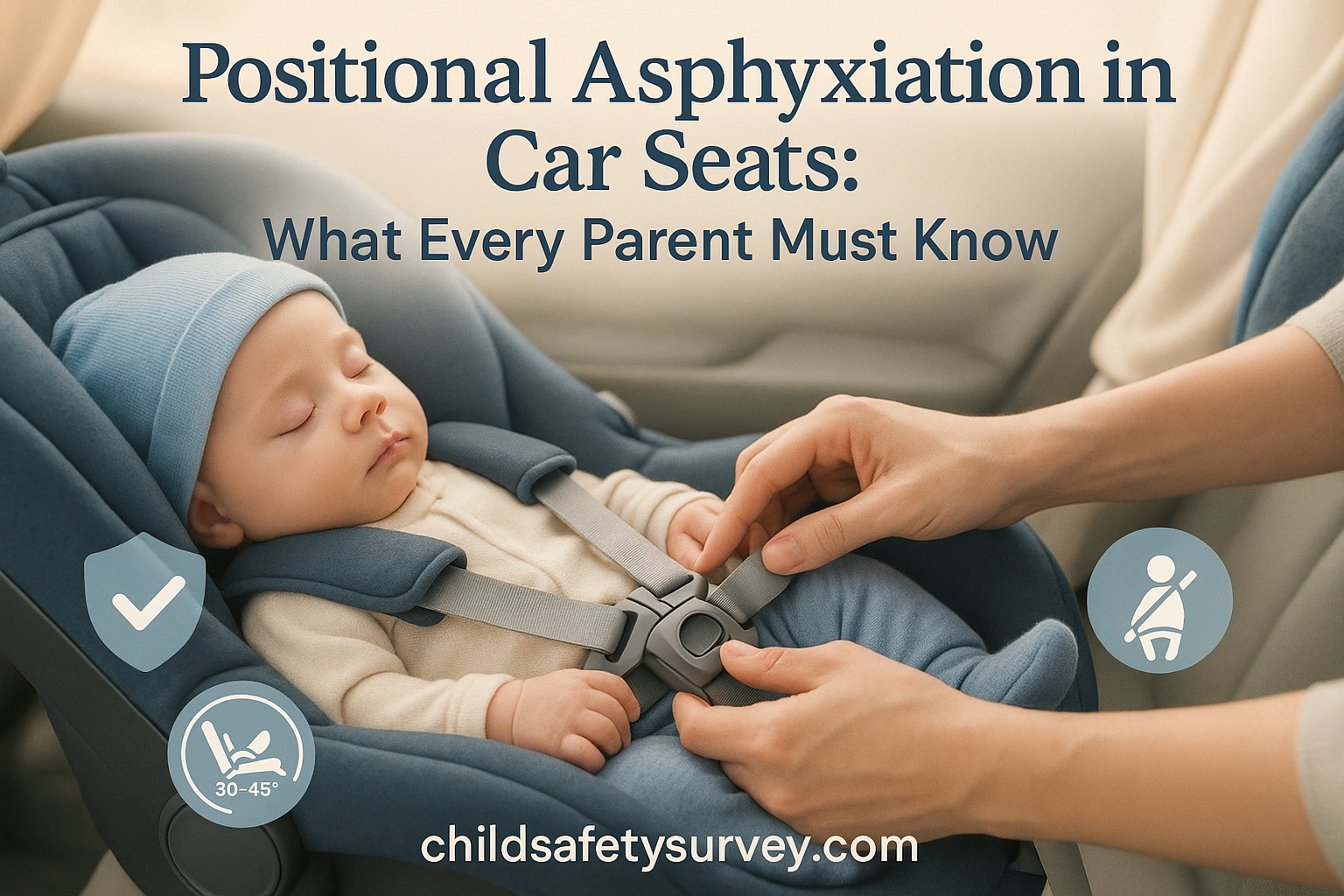
Positional asphyxiation (also called positional asphyxia) occurs when a baby’s body position restricts their ability to breathe. Unlike choking, which involves a blocked airway from an object, positional asphyxiation happens when an infant’s head falls forward or to the side, compressing the airway and reducing oxygen flow.
Newborns are particularly vulnerable because they lack the neck muscle strength to reposition their heads when breathing becomes difficult. Their airways are also much narrower than older children or adults – about the width of a drinking straw – making even slight compression dangerous.
Why Car Seats Pose a Risk for Positional Asphyxiation
Car seats are essential safety devices that save thousands of lives each year in vehicle accidents. However, when used incorrectly or in inappropriate situations, they can create conditions where positional asphyxiation becomes possible.
The semi-reclined position of infant car seats is designed for crash protection, but this angle can cause problems when:
- The car seat is placed on a soft surface like a bed, couch, or shopping cart
- The seat is not installed at the correct angle in the vehicle
- The harness straps are too loose, allowing the baby to slump
- An infant is left sleeping in the car seat outside the vehicle for extended periods
- Aftermarket accessories or inserts change the seat geometry
When a car seat is removed from the vehicle and placed on a flat or unstable surface, the angle changes. This can cause a newborn’s heavy head to fall forward, chin to chest, partially or fully blocking the airway. Many of these issues overlap with common car seat installation mistakes that put children at risk.
The 2-Hour Car Seat Rule Explained
Pediatric safety experts including Safe Kids Worldwide recommend that infants should not spend more than 2 hours at a time in a car seat. This guideline, sometimes called the 2-hour rule, applies whether the car seat is in a moving vehicle or not.
For newborns under 4 weeks old, the recommendation is even stricter: limit car seat time to 30 minutes when possible. This is because very young infants have the least developed neck muscles and are at highest risk.
The 2-hour rule exists because:
- Oxygen saturation levels can decrease the longer a baby remains in a semi-upright position
- The reclined position puts continuous pressure on developing spines
- Infants may not show visible signs of distress before oxygen levels drop dangerously
On long road trips, plan to stop every 2 hours to remove your baby from the car seat, allow them to stretch on a flat surface, feed them, and check their positioning before continuing.
Warning Signs Every Parent Should Know
Positional asphyxiation can occur silently, which is what makes it so dangerous. However, there are warning signs that indicate a baby may be in a compromised position:
- Head slumped forward with chin touching or near the chest
- Head fallen to one side at an extreme angle
- Skin color changes including pale, bluish, or grayish tint around lips or face
- Shallow or irregular breathing
- Unusual quietness in a baby who is normally alert
- Limpness or lack of muscle tone
- Difficulty arousing the baby from sleep
If you notice any of these signs, immediately remove your baby from the car seat, place them on a flat surface, and check their responsiveness. If your baby is not breathing normally or is unresponsive, call 911 immediately and begin infant CPR if you are trained.
How to Prevent Positional Asphyxiation
Proper Car Seat Installation
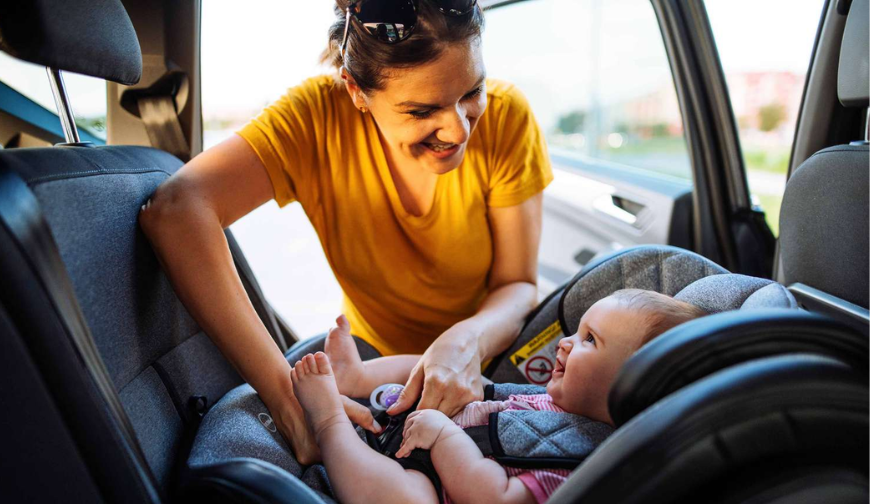
Correct installation is your first line of defense. Rear-facing infant car seats should be installed at approximately a 45-degree angle for newborns. Most car seats have built-in angle indicators or adjusters to help you achieve the correct recline. If you are unsure which installation method is best, learn about ISOFIX vs seat belt installation to make an informed decision.
As your baby grows and gains head control (usually around 3-4 months), you may be able to adjust to a slightly more upright position, but always follow your specific car seat manufacturer guidelines.
Harness Fit
The harness straps should be snug enough that you cannot pinch any excess webbing at the shoulder. The chest clip should be positioned at armpit level. A properly tightened harness keeps your baby secure in the seat and prevents slumping.
Avoid Using Car Seats Outside the Car
One of the most important prevention strategies is simple: use car seats only for travel in vehicles. While it is tempting to let a sleeping baby continue snoozing in their car seat after arriving home, this practice significantly increases risk.
Instead:
- Transfer sleeping babies to a flat, firm sleep surface like a crib or bassinet
- Never place a car seat on beds, couches, or other soft surfaces
- Do not use the car seat as a replacement for a crib or bassinet at home
- Avoid letting babies sleep in car seats placed in shopping carts or strollers unless it is a travel system designed for this purpose with proper angle support
Never Use Aftermarket Products
Aftermarket car seat accessories including head supports, strap covers, seat liners, and mirror attachments have not been crash-tested with your specific car seat. More importantly, some of these products can change the angle or position of your baby head in ways that increase asphyxiation risk.
Only use inserts and accessories that came with your car seat or are specifically approved by your car seat manufacturer.
Supervision Is Essential
Never leave an infant unattended in a car seat, especially outside the vehicle. If you are on a long drive, have an adult sit in the back seat to monitor the baby, or use a mirror designed to let the driver see the baby.
What About Preemies and Low Birth Weight Babies?
Premature babies and infants with low birth weight are at even higher risk for positional asphyxiation. Their muscle tone and breathing reflexes may be less developed than full-term infants.
Most hospitals perform a car seat tolerance test (also called a car seat challenge) before discharging premature babies. During this test, the baby is placed in their car seat while medical staff monitor oxygen levels, heart rate, and breathing for 90-120 minutes.
If your preemie fails this test, the hospital may recommend:
- A car bed that allows the baby to lie flat during travel
- Shorter trips with more frequent breaks
- Additional monitoring during travel
- Delaying discharge until the baby can pass the test
Always follow your pediatrician specific guidance for premature infants and car seat use.
Choosing the Right Car Seat for Your Newborn
Selecting an appropriate car seat is crucial for preventing positional asphyxiation. Infant car seats with proper recline angles and newborn inserts help maintain safe positioning. If you are expecting or need to upgrade, our guide on how to choose the right car seat for your child age and weight can help you make the safest choice.
Car Seats vs. Other Baby Gear: Understanding the Risks
Car seats are not the only baby products associated with positional asphyxiation. Swings, bouncers, rockers, and inclined sleepers all place babies in positions that could potentially compromise breathing.
The American Academy of Pediatrics (AAP) recommends that babies always sleep on their backs on a flat, firm surface. This ABCs of safe sleep guideline – Alone, on their Back, in a Crib – applies whenever your baby is sleeping, not just at nighttime.
In 2019, the Fisher-Price Rock n Play Sleeper was recalled after being linked to over 30 infant deaths, many from positional asphyxiation. This serves as an important reminder that even popular, widely-used baby products can pose hidden dangers.
What to Do If the Worst Happens
If you find your baby unresponsive in a car seat:
- Remove them immediately from the car seat
- Place them on a flat, firm surface
- Check for responsiveness by tapping the bottom of their foot and calling their name
- Call 911 if there is no response
- Check for breathing by looking for chest movement and listening for breath sounds
- Begin infant CPR if trained and the baby is not breathing
- Continue until emergency services arrive
Taking an infant CPR class is one of the best things any parent or caregiver can do. The American Red Cross and American Heart Association offer courses nationwide.
Winter Safety Considerations
Cold weather presents additional challenges for car seat safety. Bulky winter coats create dangerous gaps between your baby and the harness straps, which can lead to improper positioning and increased asphyxiation risk. Learn more about winter car seat safety to keep your child both warm and secure during cold months.
The Bottom Line: Car Seats Save Lives When Used Correctly
It is important to emphasize that car seats are absolutely essential safety devices. According to the National Highway Traffic Safety Administration (NHTSA), when properly installed and used in vehicles, they reduce the risk of fatal injury by 71% for infants. The goal is not to avoid car seats – it is to use them correctly.
By understanding the risks of positional asphyxiation and following the prevention guidelines in this article, you can keep your baby safe both during travel and at home. Remember:
- Follow the 2-hour rule (30 minutes for newborns under 4 weeks)
- Install car seats at the correct angle
- Keep harness straps properly snug
- Use car seats only for vehicle travel
- Transfer sleeping babies to flat sleep surfaces
- Never use aftermarket accessories
- Always supervise babies in car seats
Your baby safety depends on informed decisions. Share this information with grandparents, babysitters, and anyone else who cares for your child – because when it comes to positional asphyxiation, awareness is the best prevention.
Stay Informed on Car Seat Safety Standards
Car seat safety standards continue to evolve. The upcoming FMVSS 213a federal safety standards taking effect in 2026 will require enhanced side-impact protection testing, making future car seats even safer. Staying current on these developments helps you make the best choices for your family safety.