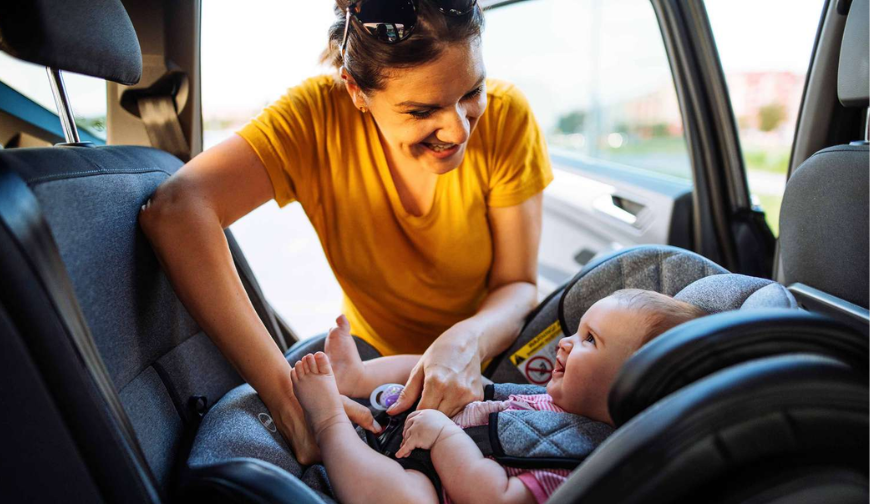
The biggest update to child car seat safety standards in decades is coming. Starting December 5, 2026, all car seats sold in the United States must meet new Federal Motor Vehicle Safety Standard 213a (FMVSS 213a) requirements, including mandatory side-impact crash testing. Here’s everything parents need to know about these critical changes.
What Is FMVSS 213a?
FMVSS 213a is a significant amendment to existing federal car seat regulations that introduces mandatory side-impact testing for child restraint systems. The National Highway Traffic Safety Administration (NHTSA) developed this standard after research revealed that side-impact crashes cause nearly as many child fatalities as frontal crashes, despite existing safety standards only testing for frontal impacts.
The new regulation specifically targets car seats designed for children weighing under 40 pounds, requiring manufacturers to conduct side-impact sled tests simulating a 30 mph collision between two vehicles.
Why Side-Impact Testing Matters
Side-impact collisions present unique dangers for child passengers. Unlike frontal crashes where the vehicle’s crumple zones absorb significant force, side impacts occur with minimal structure between the child and the point of impact. The space between a child in a car seat and the vehicle door is often just inches.
Key facts about side-impact crashes:
- Side impacts cause proportionally severe injuries to children under 12 years old
- Children can experience sudden lateral movement toward the point of impact
- Head, neck, and torso injuries are particularly common in side collisions
- Previous “side-impact protection” claims were based on inconsistent manufacturer testing
Before FMVSS 213a, car seat manufacturers could market “side-impact protection” based on their own proprietary tests, making it impossible for parents to compare safety claims between brands. The new federal standard creates a level playing field where all manufacturers must meet the same rigorous testing criteria.
Key Changes Under FMVSS 213a
New Testing Requirements
The regulation introduces several critical testing updates:
- Mandatory side-impact sled test at 30 mph for seats under 40 lbs
- Updated crash test dummies – The Q3s dummy specifically designed for side-impact testing represents a 3-year-old child
- Stricter head injury criteria – HIC15 limit of 570 (compared to HIC36 of 1,000 for frontal impacts)
- Modernized test bench – Updated from 1974 Chevy Impala specifications to reflect modern vehicle seat geometry
Weight Limit Adjustments
FMVSS 213a also modifies weight requirements for different car seat types:
- Infant seats: Maximum weight limit capped at 30 lbs (previously 35 lbs) unless manufacturers conduct additional testing
- Forward-facing seats: Minimum weight requirement increased to 26.5 lbs (from 22 lbs)
- Booster seats: Must have minimum starting weight of 40 lbs and height requirement of at least 43.3 inches
Updated Labeling Requirements
Car seat labels must now clearly specify child weight minimums for each usage mode, making it easier for parents to determine when transitions are appropriate.
Do You Need to Replace Your Current Car Seat?
The short answer: No, you don’t have to replace a functioning, unexpired car seat.
Here’s what parents need to know:
- Car seats manufactured before December 5, 2026 remain legal to use and sell
- Your current seat passed rigorous federal safety testing and provides protection
- Only replace seats that have expired (typically 6-10 years from manufacture date)
- Replace any seat that has been in a moderate to severe crash
- Check for recalls through your manufacturer’s website
However, if you’re planning to purchase a new car seat, consider choosing one that already meets FMVSS 213a standards to benefit from enhanced side-impact protection immediately.
How to Identify FMVSS 213a Compliant Car Seats
Many major manufacturers have already updated their products to meet the new standards. Here’s how to verify compliance:
- Check product packaging for FMVSS 213a compliance labels
- Visit the manufacturer’s website for specific model information
- Contact customer service directly to confirm compliance
- Look for updated labels that specify side-impact testing
Brands like Joie, Nuna, Britax, and Chicco have announced that many of their current models already meet the new standards.
Timeline: What Happens When
| Date | What Happens |
|---|---|
| June 30, 2025 | Original compliance deadline (extended) |
| December 5, 2026 | New compliance deadline – all newly manufactured seats must meet FMVSS 213a |
| After December 2026 | Pre-compliance seats can still be sold but no new non-compliant seats manufactured |
NHTSA extended the original deadline after manufacturers raised concerns about limited testing facility availability, particularly for smaller companies without their own sled testing systems.
What About Booster Seats?
Booster seats that use the vehicle’s lap and shoulder belt to restrain the child are not required to undergo FMVSS 213a side-impact testing, provided they meet minimum weight (40 lbs) and height (43.3 inches) requirements.
This distinction exists because booster seats function differently than harnessed car seats – they position the child so the vehicle’s seatbelt provides proper protection rather than using an integrated harness system.
Expert Recommendations
Child passenger safety experts and organizations like the American Academy of Pediatrics (AAP) and Consumer Reports offer these guidelines:
- Keep children rear-facing as long as possible – until they reach the maximum height or weight limit of their car seat
- Use the harness for as long as possible before transitioning to a booster
- Keep children in the back seat until age 13
- Register your car seat with the manufacturer to receive recall notifications
- Have your installation checked by a certified Child Passenger Safety Technician (CPST)
The Bottom Line
FMVSS 213a represents the most significant advancement in child car seat safety standards in decades. While parents don’t need to immediately replace functioning car seats, the new regulations ensure that all seats manufactured after December 2026 will provide enhanced protection against side-impact crashes – a critical safety gap that has finally been addressed.
When shopping for a new car seat, asking about FMVSS 213a compliance is now an important part of the decision-making process. Many manufacturers are already ahead of the deadline, so parents can access enhanced side-impact protection today.
Frequently Asked Questions
Is my current car seat still safe to use?
Yes, as long as it hasn’t expired, hasn’t been in a crash, and isn’t under recall. All car seats sold in the US must meet federal safety standards.
When do the new car seat rules take effect?
December 5, 2026 is the compliance deadline for FMVSS 213a. After this date, all newly manufactured car seats must meet the updated standards.
Will car seat prices increase?
Potentially. Enhanced testing requirements and improved safety features may lead to price increases, particularly for budget models that need significant redesigns.
How do I find a FMVSS 213a compliant car seat?
Check manufacturer websites, look for compliance labels on packaging, or contact the manufacturer directly. Many major brands already offer compliant models.
Do booster seats need to meet FMVSS 213a?
No, belt-positioning booster seats are exempt from side-impact testing requirements as long as they meet minimum weight (40 lbs) and height (43.3″) thresholds.